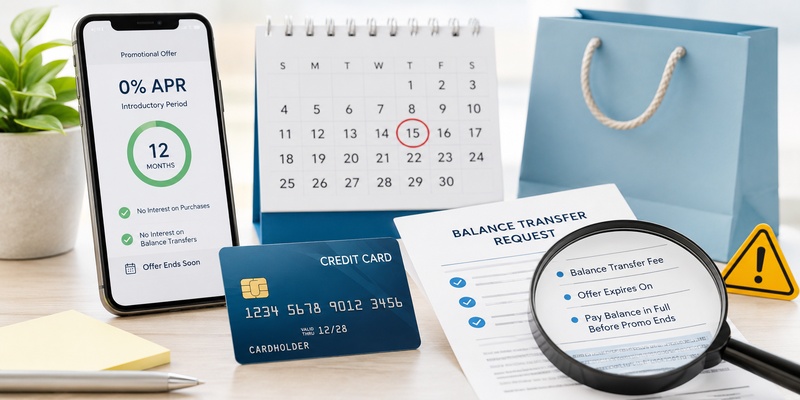
A 0% APR offer can sound like free money. Whether it comes from a credit card, furniture store, electronics retailer, or balance transfer promotion, the promise is simple: buy now or move debt today and pay no interest for a set period.
Used correctly, a 0% APR offer can be a smart financial tool. It can help you make a necessary purchase, manage cash flow, or pay down existing debt faster without interest slowing you down. But these offers are not risk-free. The real cost often appears when people misunderstand the terms or fail to pay attention to the fine print.
The most important thing to understand is that 0% APR usually lasts for a limited time. A credit card may offer 0% APR for 12, 15, 18, or even 21 months. After that promotional period ends, the regular interest rate applies. That rate can be high, especially if your credit score is not excellent. If you still have a balance when the promotion expires, interest charges can quickly erase the benefit.
You also need to know the difference between 0% APR and deferred interest. This is one of the biggest traps. With a true 0% APR offer, interest does not accumulate during the promotional period. With deferred interest, however, interest may be building in the background. If you do not pay the full balance before the deadline, you could be charged interest retroactively from the original purchase date. Many store financing offers work this way, so always read the terms carefully.
Balance transfer offers come with another catch: fees. A card may advertise 0% APR on balance transfers, but most charge a transfer fee, often around 3% to 5% of the amount moved. For example, transferring $5,000 with a 5% fee would cost $250 upfront. That may still be cheaper than paying interest on another card, but it is not free.
Missing a payment can also be expensive. Some 0% APR offers may end if you pay late. In addition to late fees, you could lose the promotional rate and be moved to the regular APR. Even one missed payment can turn a helpful offer into a costly mistake.
Another issue is overspending. A 0% APR promotion can make purchases feel more affordable than they really are. Instead of asking, “Can I afford this?” people sometimes ask, “Can I afford the monthly payment?” That mindset can lead to more debt, especially when multiple promotional offers are used at the same time.
Before accepting a 0% APR offer, create a payoff plan. Divide the total balance by the number of months in the promotional period. If you buy something for $1,200 on a 12-month 0% APR plan, you need to pay at least $100 per month to clear the balance before interest begins. Do not rely only on the minimum payment, because it may not be enough.
You should also avoid adding new charges unless you fully understand how payments are applied. Some cards treat promotional balances and regular purchases differently, which can make repayment confusing.
The bottom line: 0% APR offers can be useful, but they are not automatically a good deal. They work best when you have a clear repayment plan, understand the deadline, and avoid using them as an excuse to spend more than you planned.
A 0% APR offer should help you reduce financial pressure, not create more of it. Before signing up, read the terms, calculate the real cost, and make sure you can pay the balance in full before the promotion ends.