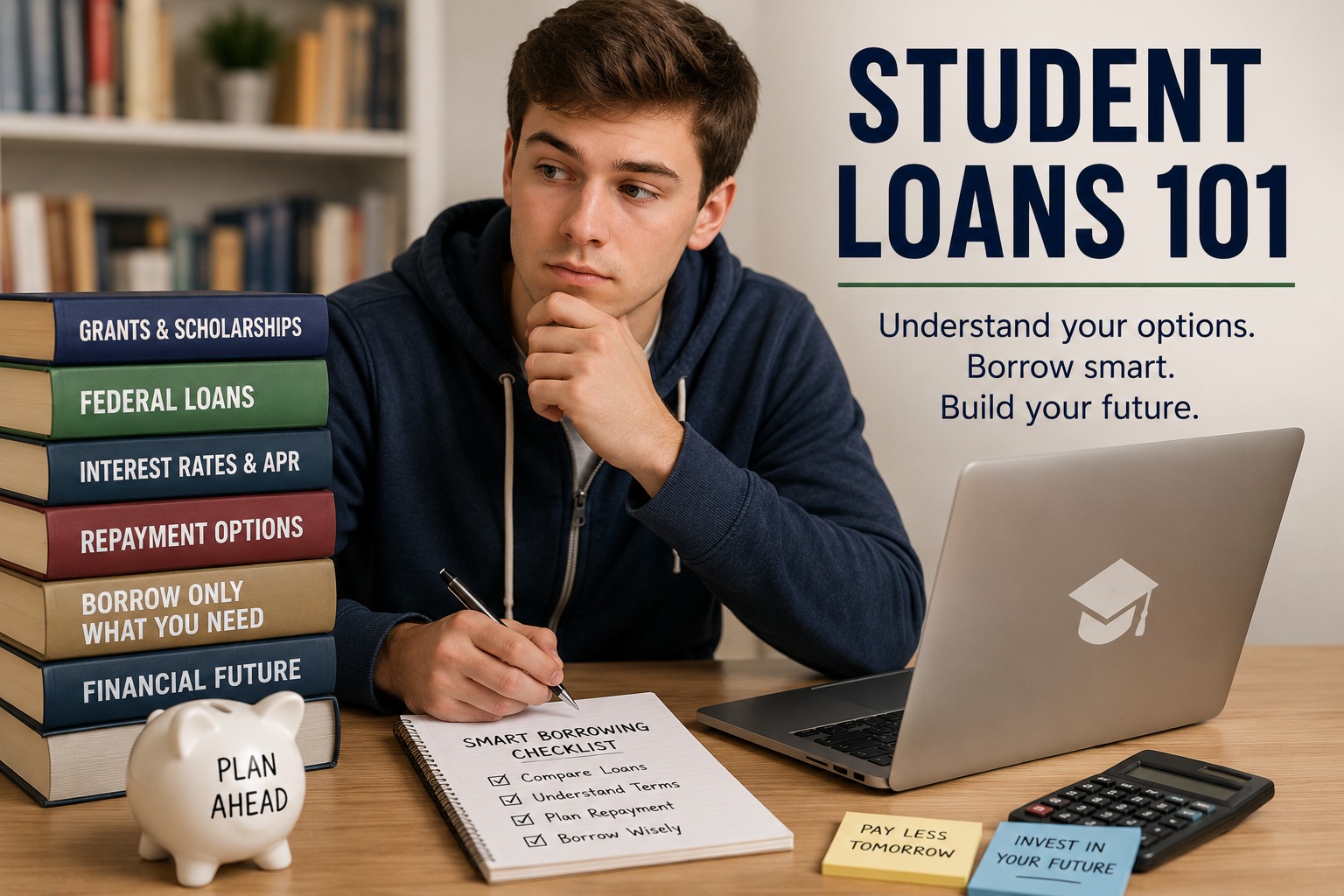
Paying for college often means borrowing—but not all student loans are created equal. Choosing the right option can save you thousands over time and prevent unnecessary financial stress after graduation. Here’s a clear guide to help you evaluate your options and make smarter borrowing decisions.
The first rule is simple: *start with free money*. Before taking out any loan, maximize grants, scholarships, and work-study opportunities. These reduce how much you need to borrow and never have to be repaid.
When loans are necessary, *federal student loans should usually be your first choice*. Offered through the U.S. Department of Education, they come with fixed interest rates and flexible repayment protections. Subsidized loans are especially valuable because the government covers interest while you’re in school. Unsubsidized loans begin accruing interest immediately, but still offer strong protections. You can review current federal loan details at
Private loans, offered by banks and lenders, should typically be a *last resort*. They are credit-based, often require a co-signer, and lack many of the flexible repayment options available with federal loans. However, they can help fill funding gaps if needed.
When comparing loans, don’t focus only on the interest rate—look at the *APR (Annual Percentage Rate), which includes fees and gives you a more accurate picture of total cost. Also consider whether the rate is **fixed or variable*. Fixed rates stay the same over time, offering predictability. Variable rates may start lower but can increase, making them riskier long term.
Another key factor is *repayment flexibility*. Federal loans offer multiple repayment plans, including income-driven repayment (IDR), where your monthly payment is based on your income. Programs like Public Service Loan Forgiveness (PSLF) can even eliminate remaining balances after qualifying payments. Learn more here:
Private loans generally offer fewer options, so it’s important to understand the terms upfront—especially deferment, forbearance, and hardship policies.
A smart borrowing strategy is to *borrow only what you truly need*. It can be tempting to take the full amount offered, but every dollar borrowed accrues interest. A useful guideline is to keep your future monthly payment below 8–10% of your expected starting salary. If possible, make small interest payments while in school to prevent your balance from growing.
Be cautious of common red flags. Variable rates without clear limits, high fees, and unclear co-signer terms can create long-term problems. Also, watch how interest is handled—if it capitalizes (gets added to your principal), your total repayment cost increases significantly.
If you do need a private loan, compare multiple lenders carefully. Look for competitive APRs, autopay discounts, flexible repayment options, and *no prepayment penalties*. Being able to pay off your loan early without fees is a major advantage.
In the end, the goal isn’t just to secure funding—it’s to do so in a way that protects your future. Prioritize federal loans, understand the full cost of borrowing, and keep your repayment manageable. A thoughtful approach today can make a significant difference in your financial life after graduation.