Being in debt can feel like carrying a heavy weight every day. It affects your stress level, your choices, and your sense of freedom. But no matter how far behind you feel, there is always a path forward. The road to zero debt is not about extreme sacrifice or perfect discipline. It is about having a clear plan, following it consistently, and making steady progress. With the right planner and a simple strategy, you can map your financial comeback step by step.
The first step is to get complete clarity about your situation. You cannot fix what you do not fully see. Start by listing every debt you have: credit cards, personal loans, student loans, medical bills, or anything else you owe. For each one, write down the balance, the interest rate, and the minimum payment. This list may feel uncomfortable to look at, but it is also empowering. Once everything is on paper, your debt becomes a problem you can solve instead of a vague source of anxiety.
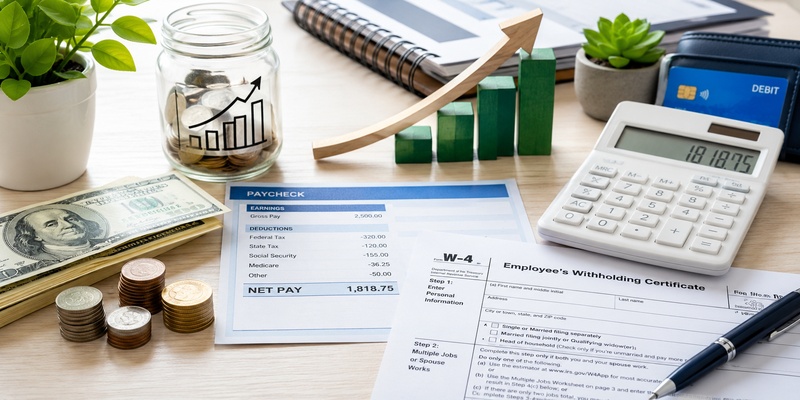
Next, take a look at your monthly cash flow. Write down your income and your essential expenses such as rent, utilities, food, transportation, and insurance. The difference between what you earn and what you must spend is the money you can use to accelerate your debt payoff. Even if this number is small at first, it is your starting point. Progress is built on consistency, not perfection.
Now it is time to choose your strategy. There are two popular methods: the avalanche and the snowball. The avalanche method focuses on paying off the debt with the highest interest rate first, which saves the most money over time. The snowball method focuses on paying off the smallest balance first, which creates quick wins and motivation. Both work. The right choice is the one that keeps you moving forward month after month.
Your planner should now turn this strategy into a clear action plan. Decide exactly how much extra money you will put toward debt each month and which account will receive it. Write this down. Treat it like a non-negotiable appointment with your future. When one debt is paid off, roll that payment into the next one. This creates momentum, and your progress will speed up over time.
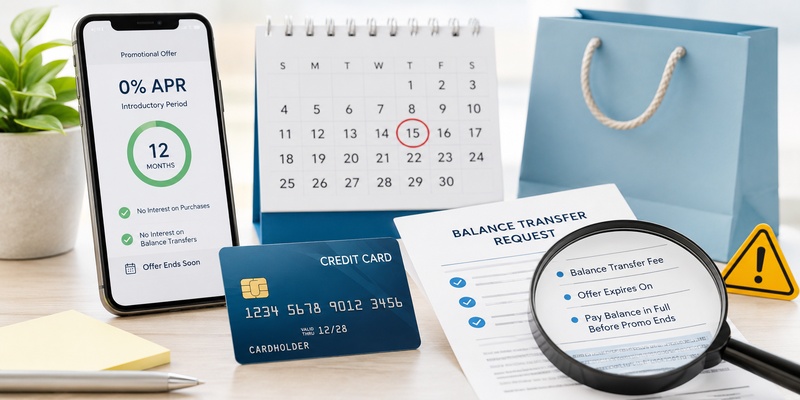
A successful comeback plan also includes rules to stop the problem from getting worse. Commit to not adding new debt while you are in payoff mode. Use cash or debit for everyday spending and only use credit cards if you can pay them off in full. At the same time, build a small emergency fund, even if it is just $500 to $1,000. This prevents unexpected expenses from pushing you back into debt.
Tracking your progress is just as important as making payments. Your planner should include a monthly review. Once a month, update your balances, celebrate the progress you have made, and adjust your plan if needed. Seeing the numbers go down is incredibly motivating and reminds you that your efforts are working.
It is also important to plan for life beyond debt. As your balances shrink, think about what you will do with the money you free up. This could mean building a stronger emergency fund, starting to invest, or saving for goals that were impossible before. Having a vision for what comes next makes the hard work feel more meaningful.
The road to zero debt is not always fast, but it is always worth it. Every payment is a step toward freedom. Every month of consistency is a vote for a better future. With a clear planner, a realistic strategy, and steady commitment, you can map your comeback and eventually reach a place where your money works for you, not against you.