Managing multiple debts can feel overwhelming. Between different due dates, interest rates, and minimum payments, it’s easy to lose track and fall behind. Debt consolidation is often presented as a solution, but when does taking out a consolidation loan actually make sense? Understanding how it works—and when it helps or hurts—can save you money and stress.
What Is Debt Consolidation?
Debt consolidation means combining several debts—typically credit cards, personal loans, or medical bills—into a single loan with one monthly payment. The goal is usually to secure a lower interest rate, simplify your finances, or both. Instead of juggling five payments, you make one.
Common tools for debt consolidation include personal loans, balance transfer credit cards, and home equity loans or lines of credit (HELOCs). Each option has pros and cons, but the principle is the same: replace expensive, scattered debt with one more manageable obligation.
When a Debt Consolidation Loan Makes Sense
A consolidation loan can be a smart move in several situations:
- You Qualify for a Lower Interest Rate.
The biggest financial benefit comes when the new loan’s interest rate is lower than the average rate you’re currently paying. For example, replacing credit cards charging 22%–28% APR with a personal loan at 10%–12% can significantly reduce total interest and speed up payoff. - Your Cash Flow Is Tight but Stable.
If high minimum payments are straining your monthly budget, consolidating can lower your required payment and give you breathing room. This works best when your income is stable and you can commit to consistent payments. - You Want Simplicity and Better Organization.
One payment, one due date, and one lender can reduce missed payments and late fees. For many people, this psychological and organizational benefit is almost as important as the interest savings. - You Have a Clear Plan to Stop Adding New Debt.
Consolidation only works if you avoid running up balances again. If you’re ready to change spending habits and possibly freeze or limit credit card use, a consolidation loan can support a real reset.
When It Probably Does NOT Make Sense
Debt consolidation is not a cure-all. It may be a bad idea if:
- You Don’t Get a Better Rate. If the new loan’s APR is similar to—or higher than—your current debts, you’re just moving the problem around.
- Fees Wipe Out the Savings. Origination fees, balance transfer fees, or closing costs can cancel out the benefits. Always calculate the total cost.
- You Tend to Re-Accumulate Debt. Many people consolidate, feel relieved, then start using their cards again. This can leave you with both the new loan and new credit card balances—worse than before.
- You’re Considering Risky Secured Options. Using home equity to pay off consumer debt can be dangerous. If you can’t pay, you could lose your home.
Types of Consolidation Loans Compared
- Personal Loans: Usually unsecured, fixed interest rate, fixed term. Good balance of simplicity and predictability.
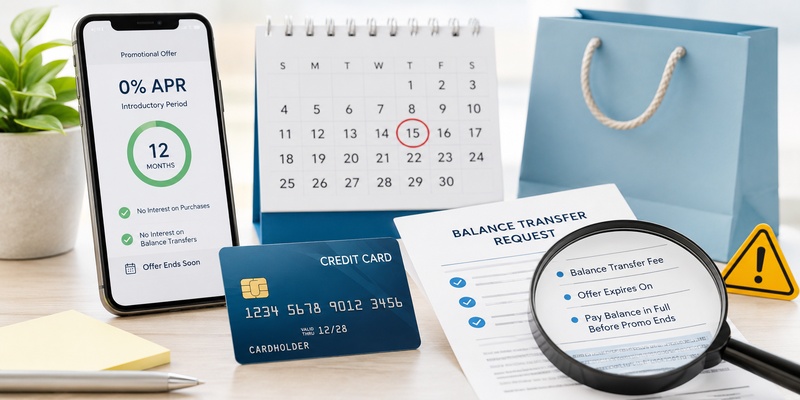
- Balance Transfer Cards: Often offer 0% intro APR for 12–18 months, but charge a transfer fee (typically 3%–5%). Best if you can pay most or all of the balance before the promo ends.
- Home Equity Loans/HELOCs: Lower rates, but secured by your home. Higher risk if your finances are unstable.
How to Decide If It’s Right for You
Before applying, list all your debts with balances, APRs, and minimum payments. Compare that to the terms of the consolidation option you’re considering. Ask three key questions:
- Will this reduce my total interest paid?
- Is the monthly payment truly affordable?
- Do I have a plan to avoid going back into debt?
If the answer to all three is yes, debt consolidation can be a powerful tool.
Bottom Line
A debt consolidation loan makes sense when it lowers your interest, simplifies your finances, and fits into a broader plan to become debt-free. It’s not a magic fix, but used correctly, it can turn a chaotic debt situation into a clear, structured path toward financial stability.