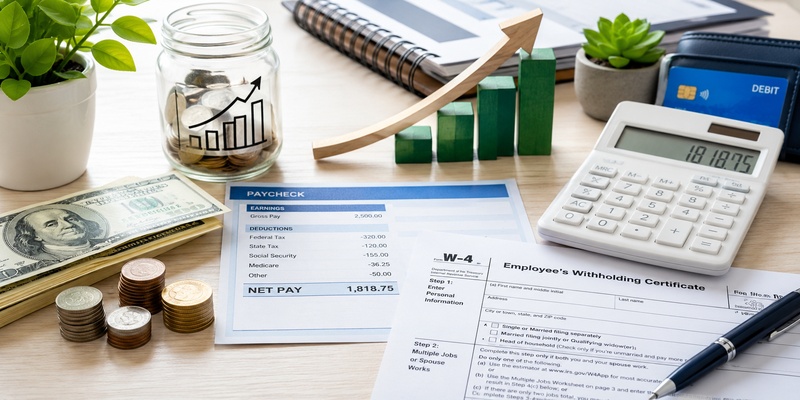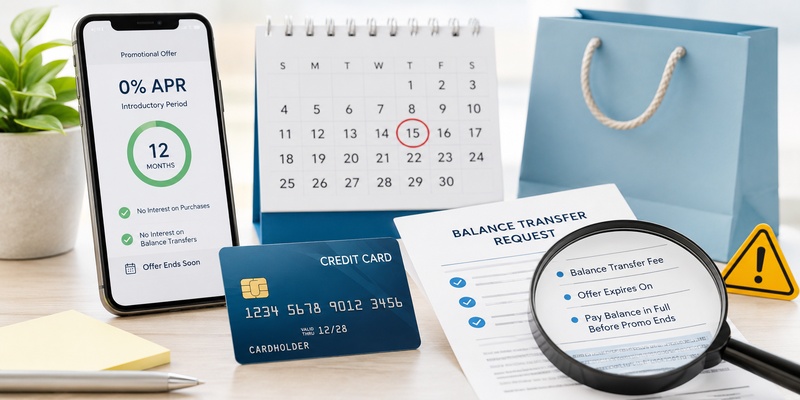
Getting out of debt can feel overwhelming, especially when you are juggling multiple balances, interest rates, and due dates. Credit cards, personal loans, student loans, and car payments can quickly turn into a financial maze. The good news is that becoming debt-free does not require extreme measures—it requires a clear plan. A debt payoff planner is your blueprint to take control, stay organized, and finally eliminate debt for good.
Why You Need a Debt Payoff Plan
Without a structured plan, most people only pay the minimums and watch balances shrink very slowly. Interest keeps accumulating, and months—or even years—go by with little progress. A debt-free blueprint gives you:
- Clear priorities
- A realistic timeline
- Motivation through visible progress
- A way to reduce interest and speed up payoff
Instead of guessing what to pay first, you follow a proven system.
Step 1: List All Your Debts
Start by writing down every debt you have:
- Creditor name
- Total balance
- Interest rate (APR)
- Minimum payment
This step is powerful because it replaces uncertainty with clarity. You now know exactly what you are dealing with and can make informed decisions.
Step 2: Choose Your Payoff Strategy
There are two popular methods, and both work:
1. The Snowball Method
You pay off the smallest balance first while making minimum payments on the rest. Once the smallest is gone, you move to the next. This builds momentum and motivation through quick wins.
2. The Avalanche Method
You focus on the debt with the highest interest rate first. This saves the most money over time and gets you out of debt faster mathematically.
Choose the method that fits your personality. The best plan is the one you will stick to.
Step 3: Build Your Monthly Payoff Budget
Look at your income and expenses and decide how much extra you can put toward debt every month. Even an extra $100 or $200 can dramatically shorten your payoff timeline.
Consider:
- Cutting unnecessary subscriptions
- Eating out less
- Redirecting bonuses, tax refunds, or side income
Every extra dollar should go toward your priority debt.
Step 4: Automate and Simplify
Set up automatic payments for at least the minimum on all debts. Then manually apply your extra payment to your target debt. Automation prevents missed payments, protects your credit score, and keeps your plan running even on busy months.
Step 5: Track Progress and Stay Motivated
A debt payoff planner works best when you can see your progress. Track balances monthly and celebrate milestones—paying off a card, breaking below a certain balance, or reaching the halfway point.
Progress creates motivation, and motivation keeps you consistent.
How a Debt Payoff Planner Saves You Money
By focusing payments strategically, you:
- Reduce total interest paid
- Shorten the time you stay in debt
- Free up cash flow faster as debts disappear
Once one debt is gone, its payment gets added to the next one, creating a powerful “payment snowball” effect.
Common Mistakes to Avoid
- Continuing to use credit cards while trying to pay them off
- Not having a small emergency fund (which leads to new debt)
- Only paying minimums
- Giving up after one bad month
Debt freedom is not about perfection—it is about consistency.
What to Do After You Become Debt-Free
When the last balance hits zero, do not stop. Redirect those payments into:
- An emergency fund
- Retirement investing
- Long-term savings goals
This is how you turn a debt-free life into a financially secure one.
Bottom Line
A debt-free life is not a dream—it is a plan. With a clear payoff strategy, a realistic budget, and a simple debt payoff planner, you can take control of your finances and systematically eliminate every balance. The ultimate blueprint is not about quick fixes—it is about building a system that works until your debt is gone for good.