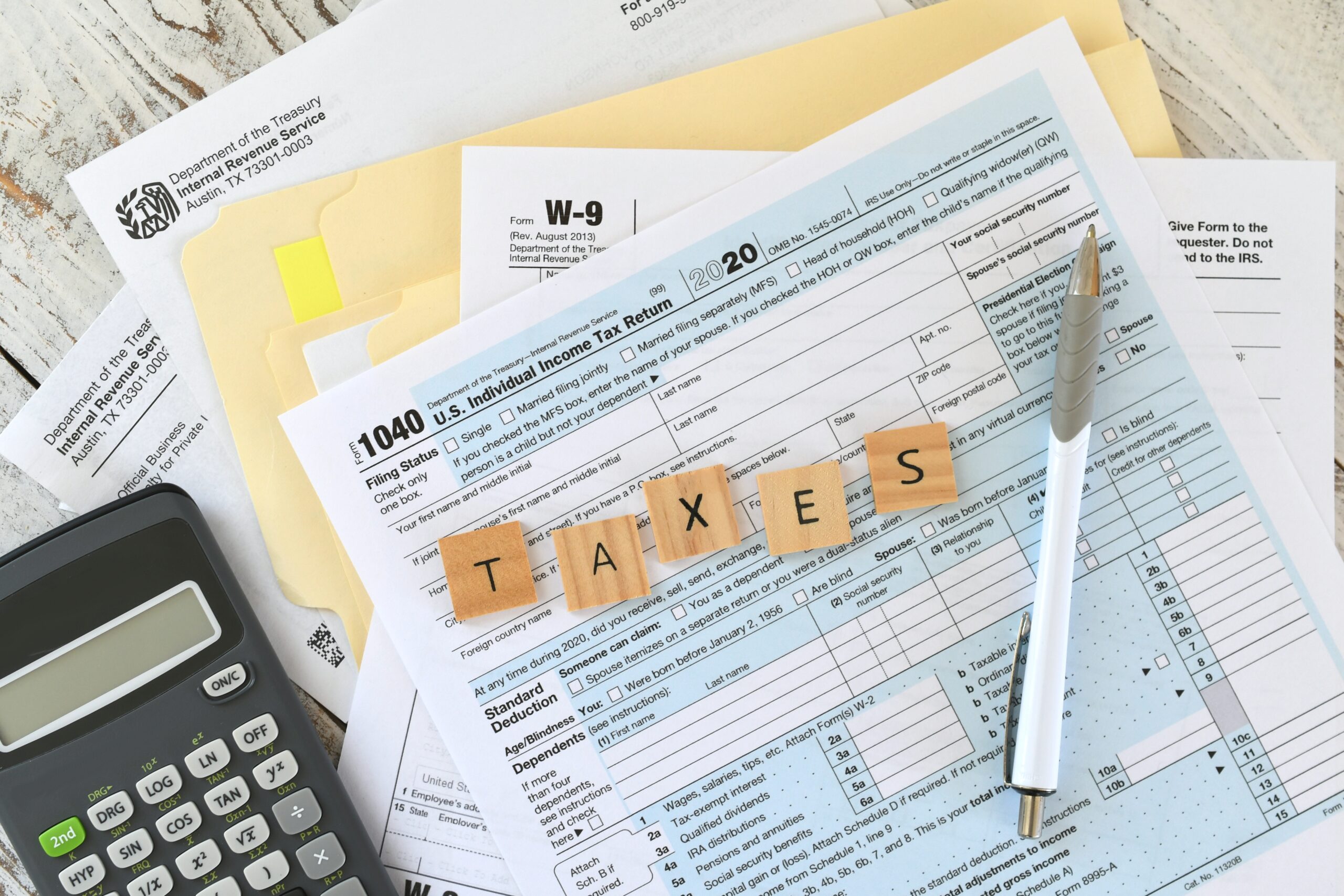
For many people, taxes feel confusing, stressful, and overly complicated. Yet, at their core, taxes are simply the way governments collect money to fund public services like roads, schools, healthcare, and public safety. Understanding the basics of how taxes work can help you make better financial decisions, avoid costly mistakes, and even keep more of your hard-earned money.
This guide breaks down the fundamentals in plain language so you can finally understand what’s happening with your paycheck and your tax return.
What Are Taxes and Why Do We Pay Them?
Taxes are mandatory payments collected by federal, state, and sometimes local governments. They fund essential services such as infrastructure, defense, education, and social programs. When you earn income, buy certain goods, or own property, a portion of that money goes to taxes.
In most countries, income tax is the main tax individuals deal with. This is the tax taken from your salary or business income throughout the year and reconciled when you file your annual tax return.
The Main Types of Taxes You Pay
Most people interact with several kinds of taxes:
- Income tax: Paid on money you earn from a job, business, or investments.
- Payroll taxes: Automatically withheld from your paycheck for programs like Social Security and Medicare (or their local equivalents).
- Sales tax or VAT: Paid when you buy goods and services.
- Property tax: Paid if you own real estate.
- Capital gains tax: Paid on profits from selling investments like stocks or real estate.
When people talk about “doing their taxes,” they usually mean filing their income tax return.
How Tax Brackets Actually Work
One of the most misunderstood concepts is the tax bracket system. Many people think that if they move into a higher tax bracket, all their income gets taxed at that higher rate. That’s not true.
Most tax systems use progressive tax brackets, meaning different portions of your income are taxed at different rates. For example, the first portion of your income might be taxed at 10%, the next portion at 20%, and only the amount above a certain threshold at 30%. Moving into a higher bracket only affects the income in that top slice—not everything you earn.
Deductions vs. Credits: The Big Difference
Two words you’ll see a lot when dealing with taxes are deductions and credits, and they are not the same.
- Tax deductions reduce your taxable income. If you earn $50,000 and have $5,000 in deductions, you’re taxed as if you earned $45,000.
- Tax credits reduce your actual tax bill. If you owe $3,000 in taxes and have a $1,000 credit, you only pay $2,000.
Credits are generally more valuable than deductions because they reduce your taxes dollar for dollar.
Why You Get a Refund (or Owe Money)
During the year, your employer usually withholds estimated taxes from your paycheck. When you file your tax return, you calculate your actual tax obligation.
- If you paid more than you owed, you get a refund.
- If you paid less, you’ll need to pay the difference.
A big refund is not “free money.” It simply means you overpaid during the year. Ideally, your withholding should be close to your real tax bill so you keep more cash in your pocket throughout the year.
Who Needs to File a Tax Return?
In most cases, if you earn income above a certain threshold, you must file a tax return. Even if you don’t owe taxes, filing can still be beneficial because you might qualify for refunds or credits.
Self-employed individuals, freelancers, and business owners usually have additional obligations, including estimated tax payments throughout the year.
Simple Ways to Pay Less in Taxes (Legally)
While you can’t avoid taxes entirely, you can often reduce them by:
- Taking advantage of deductions and credits you qualify for
- Contributing to retirement accounts
- Keeping good records of business or work-related expenses
- Filing on time and accurately to avoid penalties
The Bottom Line
Taxes don’t have to be a mystery. Once you understand how income, brackets, deductions, and credits work together, the system becomes much more predictable and manageable. A little knowledge goes a long way toward making smarter financial decisions and keeping more of what you earn.