For many people, taxes feel like a black box. Money disappears from every paycheck, and once a year you either get a refund or a bill. But what actually happens between those two moments? Understanding how your money moves from your paycheck to your tax return can help you plan better, avoid surprises, and take control of your finances.
This guide explains the full journey in simple terms.
What Happens When You Get Paid?
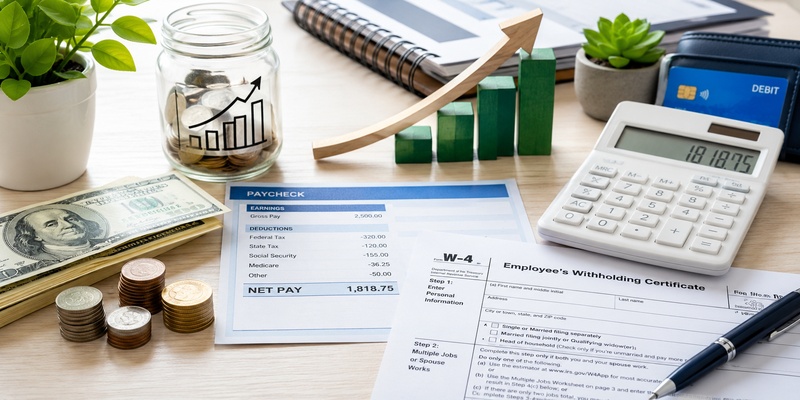
When you receive a paycheck, you don’t get your full salary. Your employer withholds several amounts before the money reaches your bank account. These usually include:
- Income tax withholding (federal, state, and sometimes local)
- Payroll taxes for programs like Social Security and Medicare (or local equivalents)
Sometimes other deductions like retirement contributions or health insurance
The key one for your tax return is income tax withholding. Your employer estimates how much tax you’ll owe for the year based on your salary and the information you provided on your tax form (such as your filing status and dependents).
This is why your take-home pay is always less than your gross salary.
Why the Government Takes Taxes in Advance
Instead of waiting until the end of the year, the tax system works on a pay-as-you-go basis. That means taxes are collected throughout the year as you earn money. This prevents people from facing one massive tax bill once a year and helps the government fund services continuously.
Every time you get paid, a small part goes toward your expected annual tax bill.
What Is a Tax Return, Really?
Your tax return is simply a yearly reconciliation. It answers one main question:
Did you pay too much, too little, or just the right amount in taxes?
When you file your tax return, you calculate:
- Your total income for the year
- Your taxable income after deductions
- Your actual tax owed
- How much you already paid through paycheck withholding
Then the system compares the two numbers.
Why You Get a Refund
You get a tax refund when the total taxes withheld from your paychecks during the year are more than what you actually owed.
For example:
- You owed $4,500 in taxes for the year
- Your employer withheld $5,200
- You get a $700 refund
A refund is not a bonus or free money. It simply means you overpaid during the year. In other words, you gave the government an interest-free loan.
Why You Might Owe Money
If your employer didn’t withhold enough— or if you had other income like freelance work, investments, or side hustles— you might owe money when you file.
For example:
- You owed $5,000 in taxes
- Only $4,300 was withheld
- You must pay the $700 difference
This is common for freelancers, business owners, or anyone with multiple income sources.
The Role of Deductions and Credits
Two things can change your final tax bill:
- Deductions reduce your taxable income (what gets taxed).
- Credits reduce your actual tax bill dollar-for-dollar.
Common examples include retirement contributions, education credits, child-related credits, or certain work-related expenses. These are often the reason your final tax bill is lower than expected—and why you might get a refund.
Should You Aim for a Big Refund?
Many people love getting a large refund, but financially, it’s usually better to aim for a small refund or a small balance due. That means you kept more of your money during the year instead of waiting for it back later.
You can adjust this by updating your withholding information with your employer.
The Bottom Line
From your first paycheck to your final tax refund (or bill), the tax system is just a yearly balancing act. Money is collected in advance, then adjusted once your real numbers are known. When you understand this flow, taxes become far more predictable—and far less stressful.