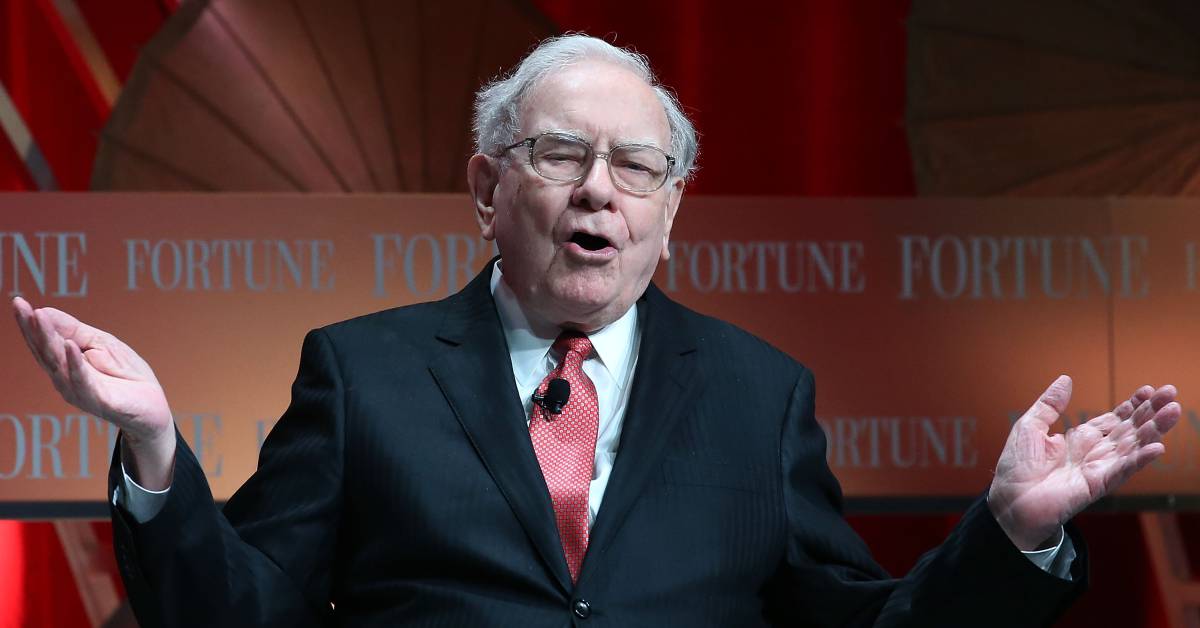
For first-time investors, the world of stocks, charts, and financial jargon can feel like a maze with no exit signs. Warren Buffett, one of the most successful investors in history, often reminds beginners that investing doesn’t need to be complicated. In fact, his advice for new investors is refreshingly simple: focus on low-cost index funds and ETFs. These investment vehicles require little guesswork, offer broad market exposure, and allow anyone—regardless of experience—to build long-term wealth with confidence.
Why Buffett Loves Index Funds
Buffett has repeatedly said that for most people, the smartest way to invest is to buy a low-cost S&P 500 index fund and hold it for the long run. His reason is straightforward. Most individuals, and even most professional investors, struggle to beat the overall stock market. Trying to pick the next big stock, time the market, or chase trends often results in mistakes and emotional decisions.
Index funds and ETFs, however, offer a different path. They automatically track a large group of companies—such as the top 500 U.S. corporations—so you’re not betting on a single winner. You’re buying a piece of the entire market. As the companies grow and the economy expands, your investment naturally follows along.
For beginners, this approach removes the stress of choosing the “right” stock and focuses instead on owning a broad and steady slice of the economy.
Low Costs Matter More Than You Think
Buffett is laser-focused on keeping fees as low as possible. Every dollar spent on high management fees, commissions, or trading losses is a dollar that can’t grow in your portfolio. Low-cost index funds and ETFs typically charge extremely small expense ratios, sometimes as low as 0.03 percent per year.
That difference may look tiny, but over decades it becomes enormous. A low-cost fund allows compounding—the quiet engine of wealth-building—to work at full strength. For first-time investors, choosing low-cost options is one of the most powerful decisions you can make.
The Power of Automatic Growth
One of the reasons Buffett favors broad index funds is that they naturally adjust over time. When strong companies grow, they take up more weight in the index. When weak companies shrink or fall out, they are replaced. You don’t have to research earnings reports or react to headlines. The fund quietly evolves with the economy, acting like a living ecosystem.
For beginners, this built-in balance creates a sense of steady progress rather than the roller coaster that often comes with individual stock picking. You grow with the market, not against it.
How to Start If You’re New
Starting with index funds or ETFs is remarkably simple:
1. Choose a trusted platform.
Brokerage accounts like Vanguard, Schwab, or Fidelity offer popular low-cost index funds with long track records.
2. Begin with a broad market fund.
An S&P 500 fund or a total stock market fund gives you instant diversification across hundreds or thousands of companies.
3. Invest consistently.
Buffett encourages steady contributions, whether the market is up or down. This habit—often called “dollar-cost averaging”—smooths out volatility and grows your portfolio over time.
4. Avoid the urge to tinker.
Buffett’s philosophy is “set it and let it grow.” Chasing trends or trading frequently usually hurts more than it helps.
Patience Is Your Greatest Advantage
Buffett’s simple guide to investing isn’t about predicting the next big thing. It’s about letting time, discipline, and the power of compounding work quietly in the background. Low-cost ETFs and index funds give beginners a clear, stress-free foundation to build wealth—even if they start small.
By following Buffett’s philosophy—keep costs low, stay diversified, and think long term—new investors can invest with confidence and clarity, building a stable financial future one steady step at a time.