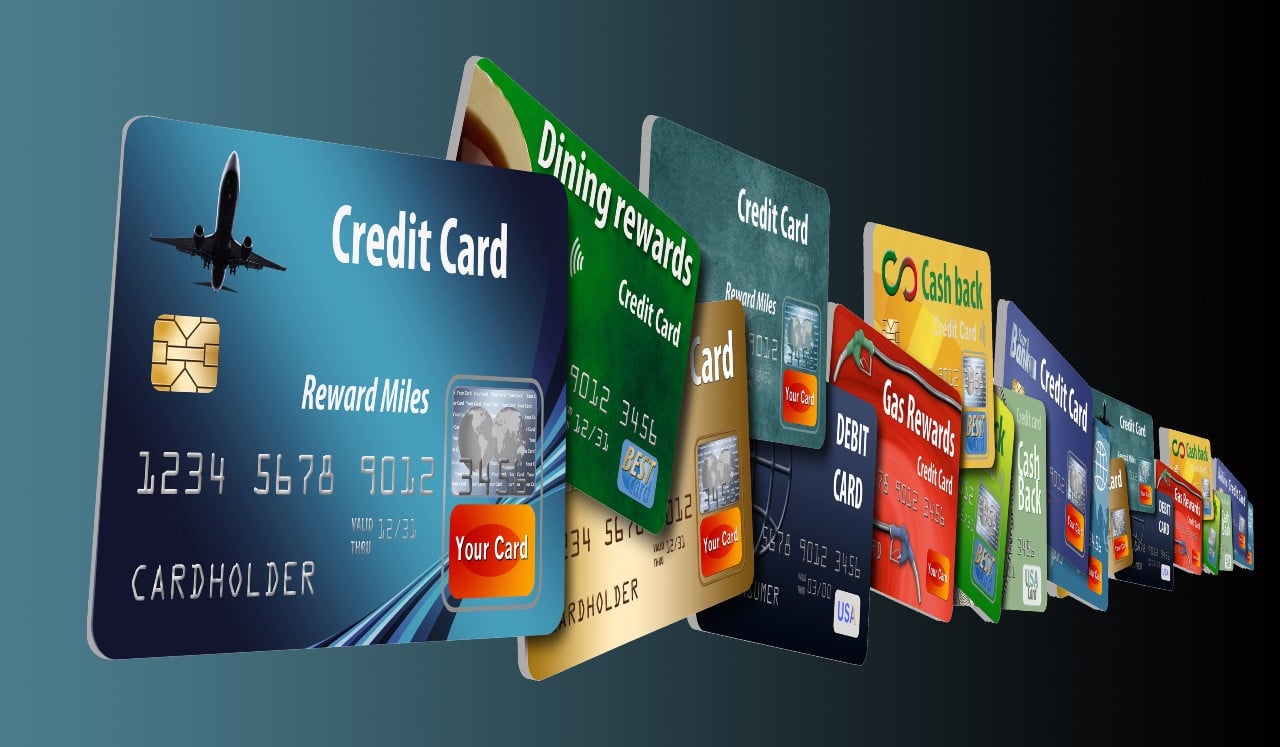
Choosing a credit card can feel like standing in front of a wall of identical doors, each promising rewards, perks, or low interest. Yet the best credit card isn’t the one with the flashiest advertisement. It’s the one that truly fits your spending habits, your financial goals, and the way you live day to day. Here’s a clear and practical guide to finding a credit card that genuinely works for you.
Start by Knowing Your Own Financial Behavior
Before comparing cards, take a moment to understand how you spend and what you value. Do you spend most of your money on groceries, restaurants, travel, or online shopping? Do you typically pay your balance every month, or do you sometimes carry a balance? These questions shape everything.
If you always pay in full, rewards and perks should be your priority. If you sometimes carry a balance, a low interest rate becomes more important than points or miles. The right card matches your behavior, not the other way around.
Check Your Credit Score First
Your credit score determines which cards you qualify for and what interest rate you’ll get. Many premium cards require good to excellent credit, while beginners or people rebuilding their credit may need to start with a secured card or a simple no-annual-fee option.
Knowing your score upfront saves time and helps you target cards you’re likely to be approved for. Most banks and apps offer free monthly credit score updates, so checking takes only a minute.
Match the Card to Your Main Spending Categories
A card should reward the things you naturally spend money on. For example:
- If you travel often, look for cards with airline miles, hotel points, or no foreign transaction fees.
- If you cook at home, choose a card that rewards groceries.
- If you eat out or order delivery, restaurant reward cards can pay off quickly.
- If your spending is broad and unpredictable, a flat-rate cashback card offers simple, consistent value.
Don’t pick a card that forces you to spend in categories you rarely use. The best card strengthens your existing habits.
Keep an Eye on Fees vs. Value
Annual fees aren’t necessarily bad. A card with a $95 fee might offer far more value in rewards, travel credits, or insurance protections than a no-fee card. The key is to compare what you spend with what you earn back.
Beginners often do better with a no-fee cashback card. More experienced users who travel or redeem rewards strategically may benefit from cards with higher fees but stronger perks. Always ask yourself: Will I earn more than I pay?
Look Beyond Rewards: Consider Interest and Terms
Rewards may catch your attention, but the fine print determines whether a card truly supports your financial health. Check:
- APR (interest rate) – If you carry a balance, a lower APR saves money.
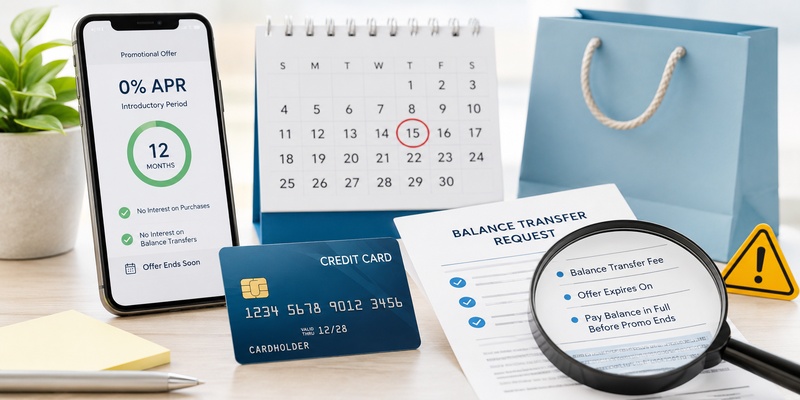
- Introductory offers – Some cards offer 0 percent APR for a promotional period.
- Penalty rates and late fees – These can be costly if you miss a payment.
- Balance transfer options – Helpful if you want to lower interest on existing debt.
A card should feel like a tool, not a trap.
Evaluate the Perks That Matter to You
Some perks are valuable; others look good on paper but won’t matter in your everyday life. Useful benefits include:
- Travel insurance and trip cancellation protection
- Cell phone protection
- Purchase protection
- Free credit monitoring
- Airport lounge access
- Cash-back bonuses
Choose perks you’ll truly use rather than collecting features you don’t need.
Keep It Simple and Start With One Solid Card
You don’t need multiple cards to build good credit or earn rewards. Beginners often do best with one versatile card that offers clear advantages and helps build strong habits. Over time, you can add more cards if your financial goals expand.
Choosing a credit card that actually works for you isn’t about chasing trends—it’s about matching your habits, protecting your finances, and unlocking real value. With a little clarity and the right criteria, the decision becomes far easier, and your credit card becomes a reliable partner in your financial life.