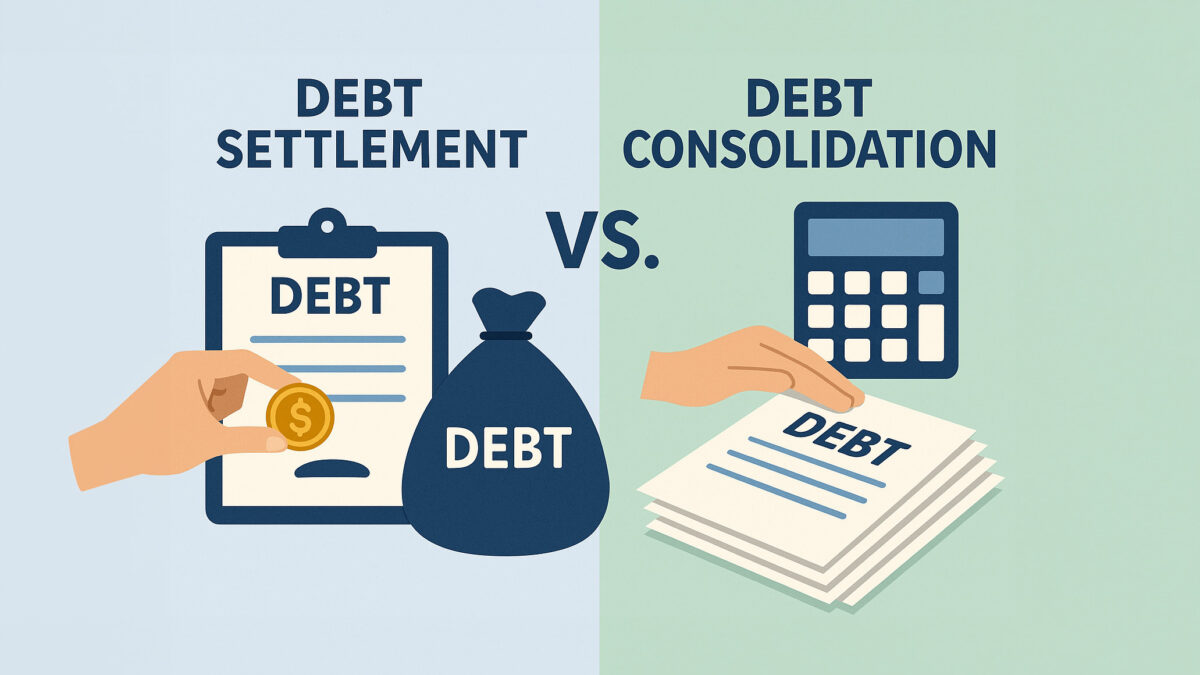
If debt feels overwhelming, you’re not alone—millions of people struggle with high-interest balances, late fees, and multiple monthly payments. Two of the most common strategies to get relief are debt consolidation and debt settlement. While they sound similar, they work very differently and can have a major impact on your credit, your total costs, and your long-term financial health.
Here’s a breakdown of how each option works and the pros and cons of both, so you can choose the approach that fits your financial situation.
What is Debt Consolidation?
Debt consolidation means combining multiple debts into one new loan or credit line—usually with a lower interest rate. Instead of juggling five or six payments, you make a single monthly payment that simplifies your financial life.
Common consolidation tools include:
- Personal loans
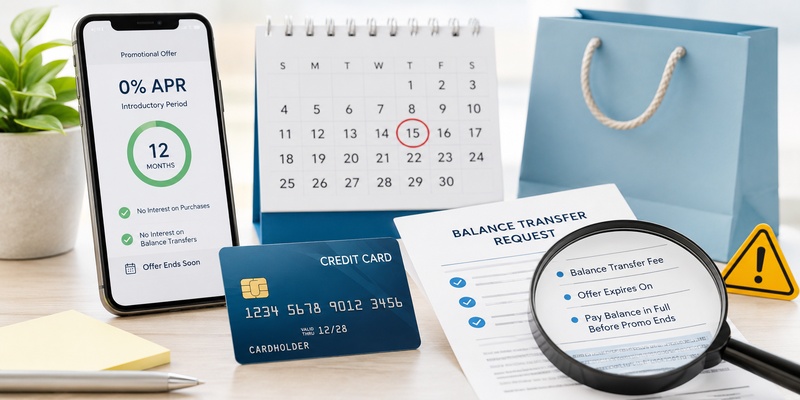
- Balance transfer credit cards
- Home equity loans or lines of credit
The goal is to reduce interest, lower your monthly payment, and pay off debt faster.
Pros of Debt Consolidation
1. One simple monthly payment
No more tracking multiple due dates—everything merges into one predictable payment.
2. Lower interest rates
If you qualify, you can significantly reduce interest, allowing more of your payment to go toward the principal.
3. Protects your credit
Consolidation doesn’t damage your credit score. In fact, responsible repayment can help improve it over time.
4. Faster debt payoff
Lower interest combined with structured payments creates a clear path to becoming debt-free.
Cons of Debt Consolidation
1. You need decent credit to qualify
Lower credit scores may mean higher interest rates—or denial of the loan.
2. Doesn’t reduce the actual debt amount
You still owe every dollar you borrowed; consolidation just makes it easier to manage.
3. Risk of accumulating new debt
If spending habits don’t change, you could end up with new balances on top of the consolidation loan.
What is Debt Settlement?
Debt settlement is a negotiation process where a company—or sometimes the consumer—asks creditors to accept a reduced lump-sum payment. For example, a $10,000 debt might be settled for $4,000 or $5,000. Creditors agree because they’d rather collect something than nothing.
However, the process usually requires you to stop making payments while negotiations happen.
Pros of Debt Settlement
1. Reduces the total amount you owe
This is the biggest advantage. Debt settlement can significantly cut your balances.
2. Helps avoid bankruptcy
For people on the brink, settlement can feel like a more manageable alternative.
3. Can provide faster relief
Some settlements resolve in months instead of years.
Cons of Debt Settlement
1. Major credit score damage
You typically must stop paying creditors during negotiations, which leads to late payments, collections, and a steep drop in your credit score.
2. No guarantee creditors will agree
Some creditors refuse to settle or may only offer small reductions.
3. High fees
Debt settlement companies often charge 15%–25% of the enrolled debt.
4. Potential tax consequences
The forgiven amount may be considered taxable income by the IRS.
Which option is better for you?
Choose debt consolidation if:
- You have steady income
- Your credit is fair to good
- You want lower interest rates
- You prefer a structured, predictable payoff plan
Choose debt settlement if:
- You’re already behind on payments
- Your credit score is low
- You’re unable to afford consolidation loan payments
- You want to reduce the total debt owed—even with credit consequences
Bottom Line
Both strategies can help you break free from debt, but they serve very different financial situations. Debt consolidation simplifies payments and lowers costs without harming your credit. Debt settlement can reduce what you owe but comes with serious credit and tax consequences.
Understanding these differences empowers you to choose the path that leads to a fresh financial start.