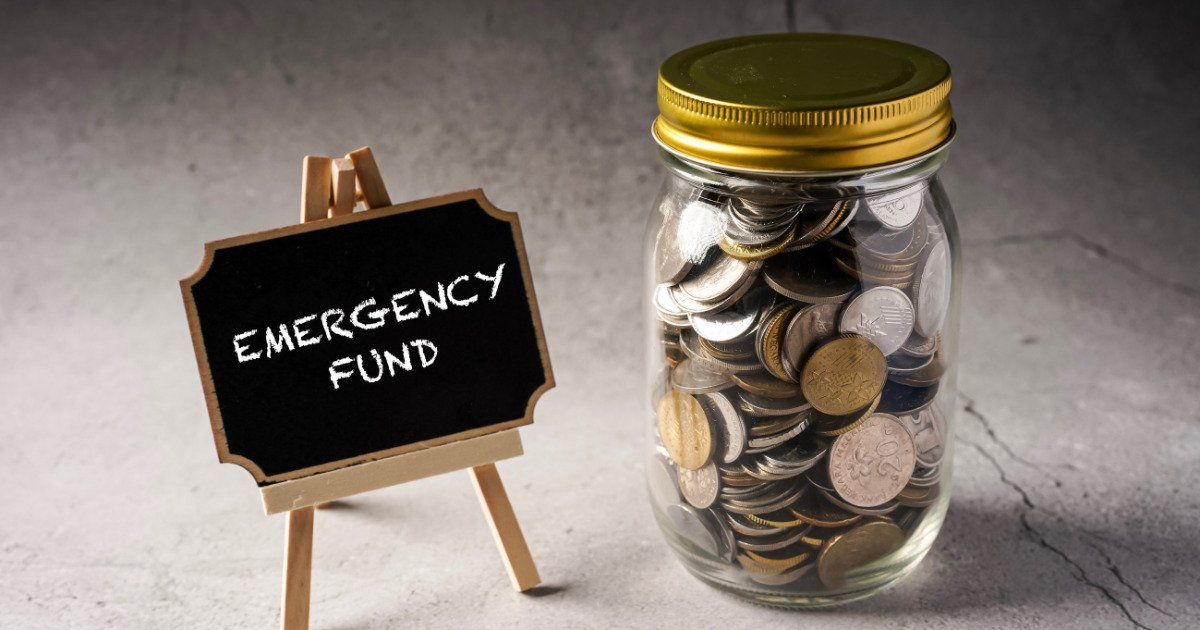
Life rarely sticks to the script. Unexpected medical bills, sudden car repairs, a job loss, or even a broken appliance can hit at the worst possible time—and without a financial cushion, these moments quickly turn into stress-filled emergencies. That’s where an emergency fund steps in. It’s not just a savings goal; it’s your personal financial safety net, designed to protect your budget, your credit, and your peace of mind. But how much should you save, and where should you keep the money so it’s both safe and accessible? Here’s a clear and practical guide to building a fund that truly works for you.
How Much Should You Save?
The right amount depends on your lifestyle, monthly expenses, and income stability, but most experts agree on a simple starting point: aim for at least three to six months’ worth of essential expenses. That means calculating only what you truly need to survive—housing, utilities, groceries, insurance, transportation, and minimum debt payments. Optional spending like dining out or vacations doesn’t belong in this calculation.
If your income is unpredictable, such as freelance or commission-based work, consider building toward six to nine months of expenses. A larger cushion protects you during slow income cycles. On the other hand, if you have stable employment, strong job security, low expenses, or other support systems, three months may be enough as a starting target.
If saving that much feels intimidating, break it down into phases:
- Starter Fund: $500–$1,000
A basic buffer to prevent small emergencies from turning into credit card debt. - Level 1 Fund: One Month of Expenses
A manageable milestone that immediately reduces stress and builds momentum. - Level 2 Fund: Three Months of Expenses
A solid amount for most households. - Level 3 Fund: Six+ Months of Expenses
Ideal for full financial security and long-term stability.
Think of your emergency fund as a growing project, not an overnight goal. Consistency matters more than perfection.
Where Should You Keep Your Emergency Fund?
Choosing the right place to store your emergency fund is just as important as deciding how much to save. The key priorities are safety, liquidity, and a modest return. Here are the best options:
1. High-Yield Savings Account (HYSA)
This is the most recommended spot for emergency savings. You’ll earn significantly more interest than a traditional bank account while still having quick, penalty-free access. These accounts are FDIC-insured and easy to manage online.
2. Money Market Account
Similar to a HYSA but may come with check-writing privileges or debit access. A good choice if you prefer slightly more flexibility without sacrificing safety.
3. Cash Management Accounts
Offered by brokerages and fintech companies, these accounts combine features of savings accounts and investing platforms. They typically offer competitive interest rates, though access may vary depending on the provider.
4. Short-Term Certificates of Deposit (CDs)
Only recommended if you already have a larger emergency fund. CDs offer higher interest but limit access. A CD ladder can help you balance returns with availability, but it’s optional—not essential for beginners.
Avoid keeping your emergency fund in investments like stocks, crypto, or long-term bonds, which can lose value just when you need the money.
Building Your Fund Without Stress
Start small and automate. Set up automatic transfers on payday, even if it’s just $25 or $50 per cycle. Unexpected cash—tax refunds, bonuses, or rebates—can accelerate your progress. As your income grows, increase your contributions.
The Bottom Line
An emergency fund isn’t just another financial rule—it’s a foundation of financial confidence. When life surprises you, having savings set aside means you can focus on solutions instead of scrambling for cash. Start with what you can, stay consistent, and watch your safety net take shape one step at a time.