Paying off debt can feel overwhelming—especially when you’re juggling multiple balances, interest rates, and monthly due dates. But the truth is, becoming debt-free is far more achievable when you have a clear, organized system to follow. A smart debt payoff planner gives you exactly that: structure, direction, and motivation. Instead of guessing what to pay first or when you’ll be done, you’ll use a roadmap designed to eliminate debt efficiently while keeping you in control of your financial life.
Here’s how to use a smart payoff planner to take charge and work your way confidently toward a zero balance.
Step 1: List All Your Debts in One Place
The first step toward getting out of debt is facing the full picture—without stress or judgment. Write down every debt you owe, including:
- Credit cards
- Personal loans
- Medical bills
- Car loans
- Student loans
- Buy-now-pay-later balances
- Store cards
For each one, include the balance, minimum monthly payment, due date, and interest rate. Seeing everything together isn’t meant to intimidate you—it clarifies the challenge and sets the stage for real progress.
Step 2: Choose Your Payoff Strategy
A smart planner helps you pick the method that aligns with your goals and personality. Most people choose between two proven strategies:
1. Debt Snowball (fast motivation):
Pay off your smallest debt first while making minimum payments on the rest. Each small win builds momentum, making it easier to stay consistent.
2. Debt Avalanche (fastest savings):
Pay off the debt with the highest interest rate first. This method reduces the amount you pay in interest over time, helping you become debt-free sooner.
Both methods work—what matters is sticking to the one that feels sustainable for you.
Step 3: Build a Realistic Monthly Budget
Your payoff plan only works if you know exactly how much you can put toward debts every month. A simple budget includes:
- Fixed expenses (rent, utilities, insurance)
- Variable expenses (food, gas, personal spending)
- Savings contributions
- Debt payments
Even a small budget surplus—like $50 to $100 a month—can significantly accelerate your payoff timeline when applied to your top-priority debt.
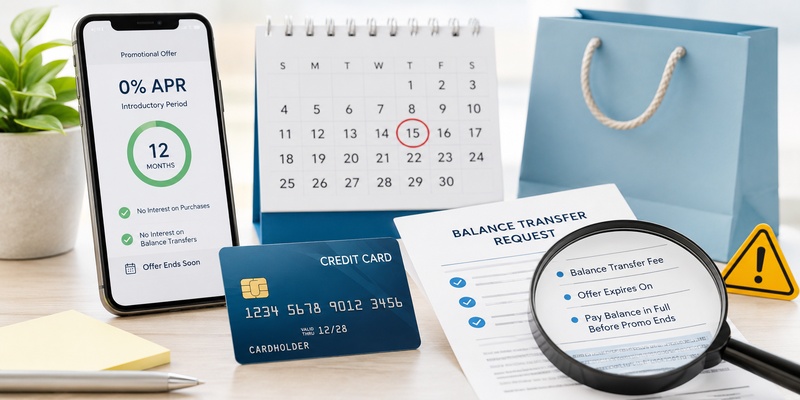
If your budget is tight, look for small adjustments: cancel unused subscriptions, negotiate bills, or move high-interest balances to a 0% APR card if you qualify.
Step 4: Track Your Progress Weekly or Monthly
A smart debt payoff planner makes tracking feel rewarding—not stressful. Each time you make a payment:
- Update your balances
- Cross off milestones
- Record your new totals
- Celebrate progress as debts shrink
This visual progress is powerful. It transforms debt payoff from a draining chore into a series of achievable milestones.
Step 5: Build a Small Emergency Fund
Unexpected expenses are the biggest threat to staying debt-free. Even a small emergency fund—$300 to $1,000—prevents common setbacks like car repairs or medical bills from pushing you back into debt. Your planner should include a section to track this “safety buffer.”
Step 6: Stay Consistent and Adjust When Needed
Your financial life will change—income may go up, expenses may go down, or you may get a tax refund or bonus. Whenever that happens, revisit your planner and adjust your strategy. Every extra dollar you apply to debt shortens your payoff timeline and reduces interest costs.
Final Thoughts
A smart debt payoff planner is more than a notebook or spreadsheet—it’s a roadmap to financial freedom. By organizing your debts, choosing a strategy that fits your personality, creating a realistic budget, and tracking your progress, you gain total control over your payoff journey. With consistency and clarity, zero balance isn’t just a dream—it becomes a date on your calendar.