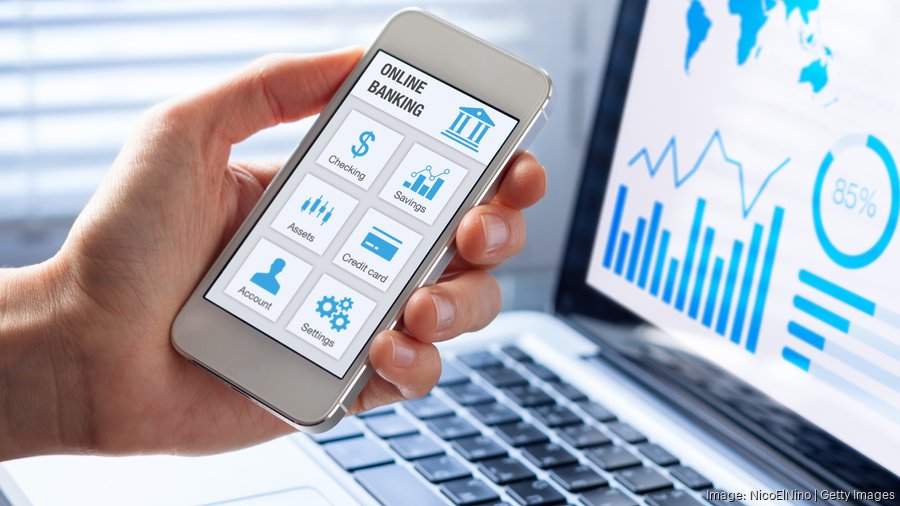
Not long ago, online banking simply meant checking your balance from a computer instead of visiting a branch. Today, digital banking is evolving into something far more powerful. New technologies are reshaping how checking and savings accounts work, making them faster, smarter, and more personalized than ever before. For consumers, this means more control, lower costs, and better tools to manage money.
Here are the most important banking tech trends changing online checking and savings accounts right now.
1. Smarter Apps with Built-In Financial Coaching
Modern banking apps are no longer just digital versions of old bank statements. They now include budgeting tools, spending analysis, and even AI-powered insights. Many apps categorize your expenses automatically, show you where your money is going, and send alerts if you’re spending more than usual in a certain category.
Some banks are starting to offer “financial health” dashboards that track savings progress, upcoming bills, and cash flow. Instead of using separate apps for budgeting and banking, more people can now manage everything in one place.
2. Faster Payments and Real-Time Money Movement
One of the biggest changes in online banking is speed. Traditional bank transfers could take days. Now, many banks offer instant or same-day transfers, real-time balance updates, and faster peer-to-peer payments.
With real-time payment systems becoming more common, moving money between your checking and savings accounts—or sending money to someone else—can happen almost instantly. This reduces overdraft risks and makes cash flow management much easier.
3. High-Yield Savings and Smarter Interest Features
Online banks are leading the way in offering higher interest rates on savings accounts, thanks to lower operating costs than traditional banks. But the tech trend goes beyond just higher rates.
Some platforms now offer:
- Automatic transfers that move extra money into savings
- “Round-up” features that save spare change from purchases
- Multiple savings “buckets” or “goals” within one account
These features turn saving money into an automated habit instead of something you have to remember to do manually.
4. More Automation, Less Manual Work
Automation is becoming a core feature of modern checking and savings accounts. You can now set rules like:
- Automatically move money to savings on payday
- Keep a minimum balance in checking and move the rest to savings
- Pay recurring bills without thinking about them
This reduces the mental load of managing money and helps avoid late fees, missed payments, and forgotten transfers.
5. Better Security with Less Friction
As banking becomes more digital, security is improving at the same time. Many banks now use:
- Biometric login (fingerprint or face recognition)
- Real-time fraud alerts
- Temporary card locks from the app
- Advanced behavior-based fraud detection
The trend is toward stronger security that doesn’t make banking more annoying. You get better protection without having to deal with constant passwords and phone calls.
6. The Rise of “All-in-One” Financial Platforms
Some online banks are turning into full financial hubs. Instead of just offering checking and savings, they also integrate:
- Investing
- Credit monitoring
- Loans
- Cash-back rewards and perks
This doesn’t mean you must use everything in one place—but it does mean your bank is starting to act more like a personal finance control center.
What This Means for You
The big takeaway is simple: online checking and savings accounts are no longer just places to store money. They are becoming active tools that help you manage, protect, and grow your finances with less effort.
If your current bank still feels like a digital version of a paper statement, it may be worth exploring newer options. The best modern accounts save you time, reduce fees, help you build better habits, and give you a clearer picture of your financial life.
In short, banking technology isn’t just changing how you access your money—it’s changing how well your money works for you.