Identity theft and credit fraud are no longer rare problems reserved for careless internet users. They have become everyday risks in a world where personal data is constantly shared, stored, and sometimes stolen. A single data breach, phishing email, or compromised website can expose enough information for criminals to open accounts, run up debt, or drain bank balances in your name. The good news is that with the right habits and tools, you can dramatically reduce your risk and limit the damage if something does go wrong.
Understand How Identity Theft Happens
Most identity theft starts with stolen personal information: your name, Social Security number, date of birth, or account credentials. Criminals obtain this data through phishing emails, fake websites, malware, data breaches, or even physical theft of mail and documents. Once they have it, they may open credit cards, take out loans, file fake tax returns, or make unauthorized purchases.
Credit fraud is especially dangerous because it can quietly damage your credit score for months before you notice. By the time you discover the problem, fixing it can take significant time and effort.
Lock Down Your Personal Information
The first line of defense is minimizing how much information you expose. Avoid carrying unnecessary documents like your Social Security card in your wallet. Shred sensitive mail, bank statements, and pre-approved credit offers before throwing them away.
Online, use strong, unique passwords for every financial account and enable two-factor authentication whenever possible. A password manager can help you generate and store secure passwords without needing to remember them all.
Be skeptical of unsolicited emails, texts, or phone calls asking for personal or financial information. Legitimate companies will not ask for sensitive details through these channels.
Monitor Your Financial Accounts Regularly
One of the most effective protections is simple awareness. Check your bank and credit card statements frequently, not just once a month. Look for small, unfamiliar charges—criminals often test stolen accounts with minor transactions before making larger ones.
You should also review your credit reports at least once a year from all three major credit bureaus. Many services now offer free credit monitoring or alerts when a new account is opened in your name. The faster you detect suspicious activity, the easier it is to stop.
Consider a Credit Freeze or Fraud Alert
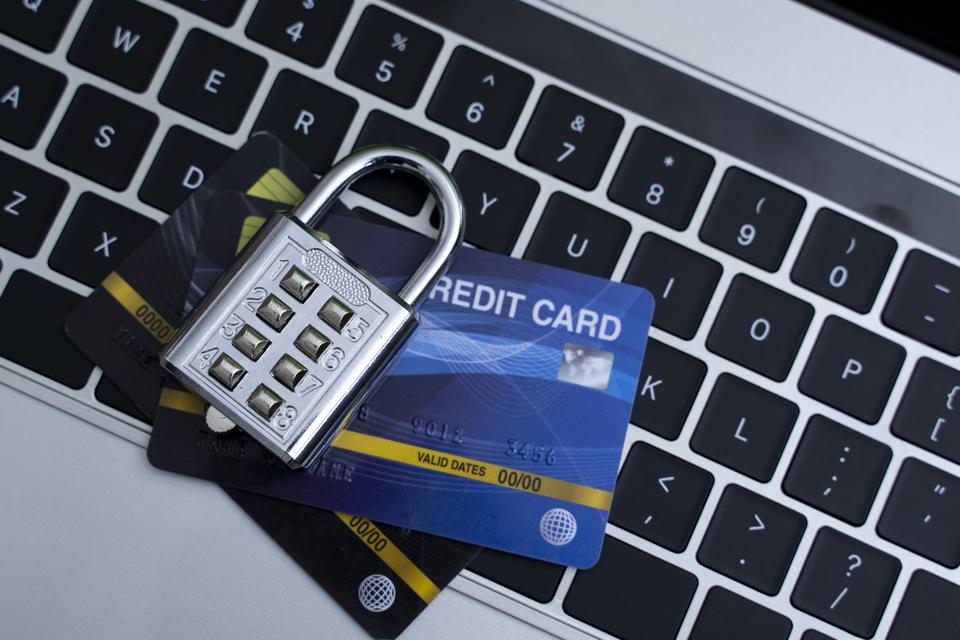
A credit freeze is one of the strongest tools available. It prevents new credit accounts from being opened in your name without your explicit approval. Even if a criminal has your personal information, they cannot open new lines of credit while your credit is frozen.
If you do not want to freeze your credit completely, you can place a fraud alert instead. This tells lenders to take extra steps to verify your identity before approving new credit.
Protect Your Devices and Internet Connection
Keep your computers and phones updated with the latest security patches and antivirus software. Avoid using public Wi-Fi for banking or shopping unless you are using a secure VPN. Many identity theft cases begin with compromised devices or insecure networks.
Also be cautious about what you share on social media. Details like your birthday, hometown, or family members’ names can be used to guess passwords or answer security questions.
What to Do If You Become a Victim
If you suspect identity theft or credit fraud, act immediately:
- Contact your bank or credit card company to freeze or close affected accounts
- Place a fraud alert or credit freeze with the credit bureaus
- Review your credit reports for unauthorized accounts
- File a report with the appropriate authorities or identity theft reporting service
The sooner you respond, the more likely you are to limit the financial and credit damage.
The Bottom Line
You cannot completely eliminate the risk of identity theft, but you can make yourself a much harder target. Strong passwords, careful habits, regular monitoring, and proactive credit protection can save you months of stress and thousands of dollars. In today’s digital world, protecting your identity is not optional—it is an essential part of managing your financial life.