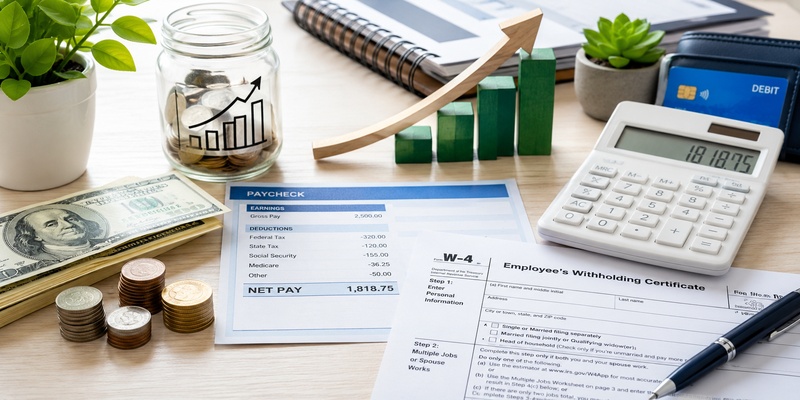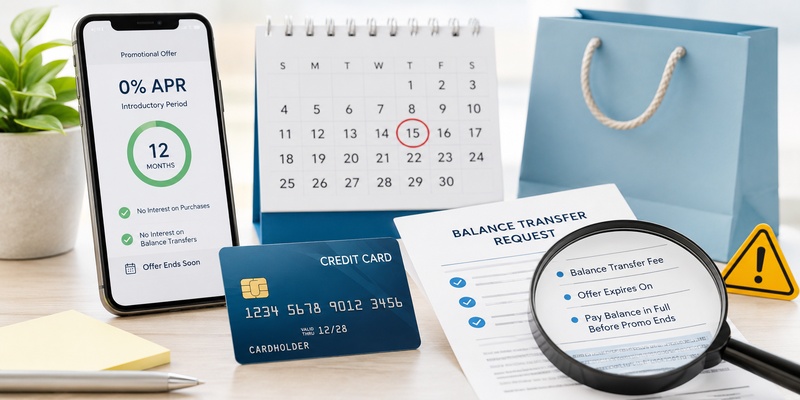
When you take out a loan, the interest rate is usually the first—and sometimes only—number you focus on. But the real cost of borrowing almost always goes far beyond that headline figure. Hidden fees, complex terms, and subtle clauses can quietly add hundreds or even thousands of dollars to what you repay. Understanding these hidden costs can help you avoid unpleasant surprises and make smarter financial decisions.
1. Origination and Application Fees
Many lenders charge an origination fee just to process your loan. This fee is often 1% to 5% of the loan amount and is either deducted from the money you receive or added to your balance. For example, on a $10,000 loan with a 4% origination fee, you could lose $400 immediately or owe interest on that extra amount.
Some lenders also charge application, underwriting, or administrative fees. These are not always advertised prominently, but they increase the true cost of borrowing.
2. The APR Is More Important Than the Interest Rate
The Annual Percentage Rate (APR) is supposed to reflect the total yearly cost of the loan, including some fees. A loan with a 7% interest rate and high fees can be more expensive than a loan with a 9% rate and no fees. Many borrowers compare only interest rates and miss this crucial detail.
Always compare loans using APR, not just the advertised rate.
3. Prepayment Penalties
It may sound strange, but some lenders penalize you for paying off your loan early. These prepayment penalties are designed to protect the lender’s expected interest profits. If you plan to refinance or pay extra toward your loan, this fee can erase much of the benefit.
Before signing, check the contract for any early payoff restrictions or penalties.
4. Late Payment and Returned Payment Fees
A single late payment can trigger multiple charges:
- Late fee (often $25–$50 or more)
- Higher interest rate (in some contracts)
- Damage to your credit score
If a payment bounces due to insufficient funds, you may also pay a returned payment fee from both the lender and your bank. These small mistakes can become expensive very quickly.
5. Variable Rates and “Payment Shock”
Some loans start with low introductory rates that later adjust. When the rate resets, your monthly payment can jump significantly—sometimes by hundreds of dollars. This is known as payment shock, and it’s common with adjustable-rate mortgages and some personal or business loans.
Always ask:
- Is the rate fixed or variable?
- How often can it change?
- What is the maximum possible rate?
6. Credit Insurance and Add-Ons
Lenders sometimes offer “optional” extras like:
- Credit life insurance
- Disability insurance
- Extended warranties (for auto loans)
These are often rolled into the loan amount, meaning you pay interest on top of their cost. They can dramatically increase your total repayment and are usually unnecessary for most borrowers.
7. The Cost of Long Loan Terms
Lower monthly payments feel comfortable, but longer loan terms mean more total interest. A 7-year loan almost always costs far more than a 3-year loan, even if the monthly payment looks attractive. The lender rarely emphasizes how much extra you’ll pay over time.
8. Opportunity Cost
Every dollar you send to interest and fees is a dollar you can’t:
- Invest
- Save
- Use for emergencies
- Spend on things that improve your quality of life
This “invisible” cost is real and often bigger than people realize.
How to Protect Yourself
Before taking any loan:
- Compare APR, not just interest rate
- Ask for a full fee breakdown
- Read the sections on penalties and rate changes
- Calculate the total amount you will repay
A loan should be a financial tool, not a financial trap. The more you understand the hidden costs, the more power you have to borrow on your terms—not the lender’s.