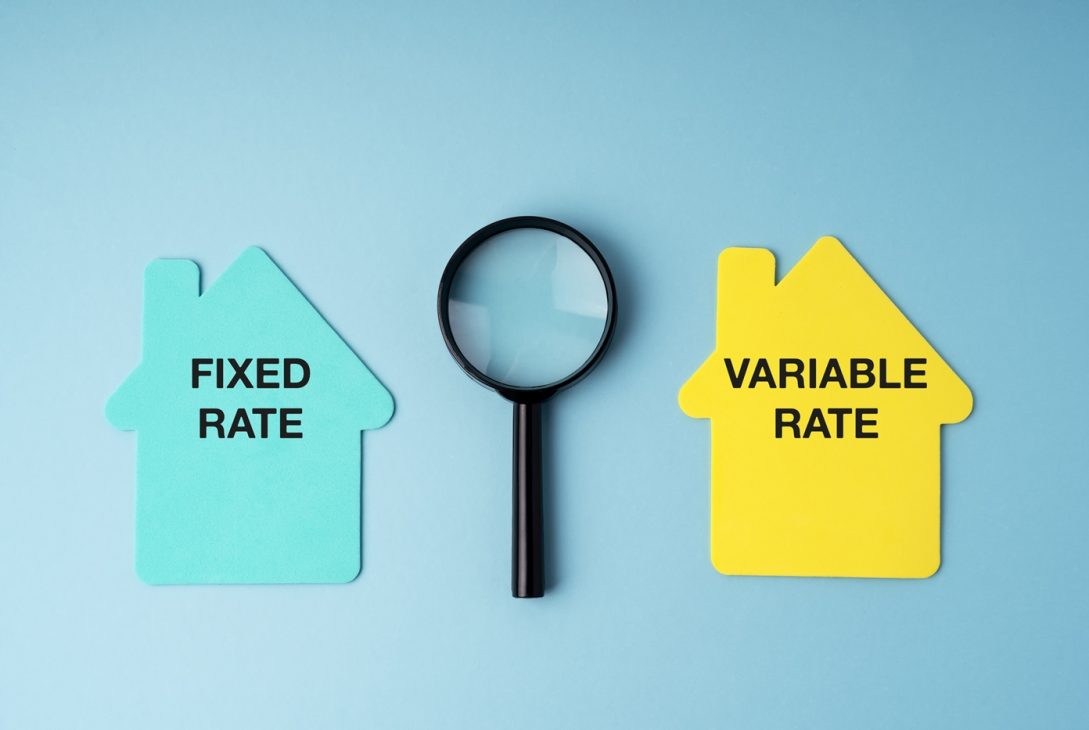
When you take out a loan—whether it’s for a car, a home, or personal expenses—one of the most important choices you’ll make is between a fixed or variable interest rate. This decision affects not only your monthly payment, but also how much you’ll pay over the life of the loan and how predictable your finances will be. Understanding the difference can save you money and stress.
What Is a Fixed-Rate Loan?
A fixed-rate loan has an interest rate that stays the same for the entire term of the loan. Your monthly payment remains predictable from the first payment to the last.
Advantages of fixed-rate loans:
- Stable, predictable monthly payments
- Easy to budget for long-term
- Protection against rising interest rates
- Less financial stress and uncertainty
Disadvantages:
- Usually starts with a higher interest rate than variable loans
- You won’t benefit if market interest rates drop unless you refinance
Fixed-rate loans are commonly used for mortgages, car loans, and student loans because they provide long-term stability.
What Is a Variable-Rate Loan?
A variable-rate loan (also called adjustable-rate) has an interest rate that changes over time based on a benchmark rate or market index. Your monthly payment can go up or down.
Advantages of variable-rate loans:
- Often start with lower interest rates
- Lower initial monthly payments
- Can save money if interest rates stay low or decrease
Disadvantages:
- Payments can increase unexpectedly
- Harder to budget long-term
- Higher financial risk if rates rise significantly
Variable rates are often found in credit cards, some student loans, and adjustable-rate mortgages (ARMs).
How the Choice Affects Your Total Cost
The key difference is certainty vs. risk.
With a fixed-rate loan, you lock in your cost. You may pay slightly more at the beginning, but you know exactly what your payment will be in five, ten, or thirty years.
With a variable-rate loan, you’re betting that interest rates will stay the same or go down. If they rise, your payment and total cost can increase—sometimes dramatically.
Which One Is Right for You?
A fixed-rate loan is usually better if:
- You want predictable payments
- You plan to keep the loan for many years
- You’re on a tight or fixed budget
- You believe interest rates may rise in the future
- You want financial stability over potential savings
A variable-rate loan might make sense if:
- You expect to pay off the loan quickly
- You can handle possible payment increases
- You want the lowest initial payment
- You believe interest rates will stay low or fall
- You have strong cash flow and financial flexibility
Special Case: Mortgages
With mortgages, some variable-rate loans offer a low “teaser” rate for the first few years before adjusting. This can be useful if you plan to sell or refinance before the rate changes—but risky if you stay longer than expected.
Many borrowers choose fixed-rate mortgages for long-term homes because of stability and peace of mind.
A Simple Decision Framework
Ask yourself:
- Do I need payment stability or can I handle fluctuations?
- How long will I keep this loan?
- Can I afford higher payments if rates rise?
- Am I choosing this loan to save money—or because I can’t afford the fixed option?
The Bottom Line
Fixed-rate loans offer certainty and protection. Variable-rate loans offer potential savings but come with risk. The right choice depends on your timeline, your budget stability, and your tolerance for uncertainty. In most long-term situations, fixed rates provide peace of mind. For short-term or flexible borrowers, variable rates can be a strategic tool—if used carefully.